If you’re thinking about nature and wildlife tours in Bolivia, you’re in for a treat. I’ve spent a lot of time around places like Madidi National Park and the pampas near Rurrenabaque, and man, the variety here is something else.
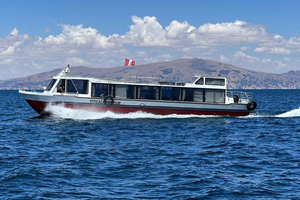
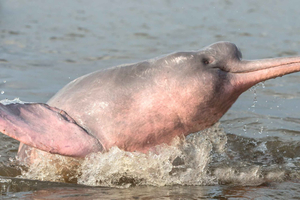
Bolivia’s got it all,thick Amazon jungle where you spot colorful macaws and river dolphins, and high-altitude wetlands where flamingos gather by the thousands. One of my favorite outings was a slow boat trip on the Beni River, marking off giant otters and howler monkeys as we went. And don’t overlook the dry forests near Sama Reserve in Potosí; you wouldn’t expect to see pink river dolphins upstream, but they’re there.
Remember, the best time for wildlife spotting depends heavily on the season. If it’s the wet season (December to March), animals are more spread out and harder to find, but it’s lush and green. The dry season (May to September) makes wildlife easier to track since water holes become hotspots for animals. Packing binoculars is a no-brainer, but also bring bug spray , the jungle bites back. If you want comfort, book a local guide, especially one from the community. They know the hidden trails and stories that no guidebook tells you.
🌍 Part of the My Guide Network180+ destinations worldwide
A local’s two cents on exploring Bolivia’s wild side
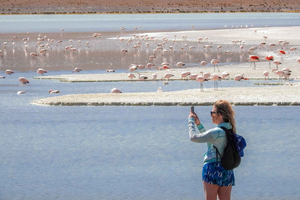
If you’re heading to Bolivia for wildlife, don’t skip Rurrenabaque. It’s not just a gateway; the surrounding pampas here offer a wildlife experience that felt like stepping into another world for me. Early mornings on the riverspot pink river dolphins and giant otters , trust me, these moments stick. And one pro tip? Book accommodations that include guided tours, locals often spot animals that most tourists miss. Also, keep in mind that the high-altitude wetlands of Eduardo Abaroa National Park in the southwest have amazing flamingo populations, but bring warm clothes because the nights can be bitterly cold. It’s a bit of a trek but worth it if you love birding or want to see a different ecosystem than the jungle.
Frequently Asked Questions
Got questions about Bolivia’s nature tours? Here are a few you might have.
For me, the dry season from May to September is easiest for spotting animals because everything crowds around water sources. But if you want lush scenery and don’t mind rain, the wet season shows a different side of Bolivia,just be ready to get muddy.
Absolutely, as long as you go with a reputable guide or tour operator. The Amazon here is remote but local guides are experienced and know how to keep things safe and low-impact. Plus, it’s a great way to support local communities.
Yes! You’ll find them mainly in the rivers around Madidi National Park and near Rurrenabaque. Sometimes you get lucky on the Beni River tours, just keep your eyes peeled early in the morning.
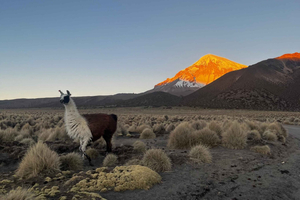
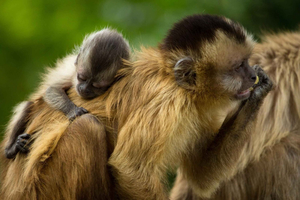
A good tour might show you capybaras, giant river otters, howler monkeys, anacondas, and an incredible variety of birds like toucans and macaws. At high altitudes, flamingos and vicuñas are common sights.
Bring solid hiking boots and long sleeves to avoid insect bites, plus binoculars and a good camera if you’re serious about wildlife. Lightweight rain gear is smart too, because the weather can turn fast.
If you really want to get deep, give yourself at least three to four days. One or two days might feel rushed, especially since some of the best wildlife spots are a bit off the beaten track.