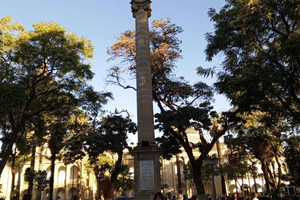
Bolivia’s landmarks are raw, real, and often a little surprising. Forget polished tourist traps,here you’ll walk ancient streets where history still feels alive. Take La Paz’s Witches’ Market followed by a climb up to the historical Plaza Murillo, with its colorful street vendors and political buzz. Or head to Potosí, once the richest city thanks to its silver mines,ask a local guide about the mine’s dangers and the ingenuity of the miners; it’s not just a photo op. And the Tiwanaku ruins, south of Lake Titicaca? Far more than just stones, they’re the remains of a civilization that predated the Incas, and the sunsets there can be unforgettable.
One tip? Try booking tours that include a local guide who knows the stories behind the landmarks,they’ll go beyond the history books and share bits you won’t find online. Avoid midday tours in the Amazon region during the wet season; it’s brutal. Instead, mornings are cooler, and wildlife is more active around the landmarks. You’ll want sturdy shoes too,these sites don’t expect you to glide through in flip-flops! Bolivia’s landmarks are full of character, waiting for you to take a slow, curious walk and soak it all in.
🌍 Part of the My Guide Network180+ destinations worldwide
Hey, if you’re planning to tour Bolivia’s landmarks, here’s a quick thing,try syncing your visits with local market days or festivals. For example, in Tarabuco, which is a bit off the usual routes, Sunday market day is jumping with local crafts and culture, making your landmark tour way more interesting.
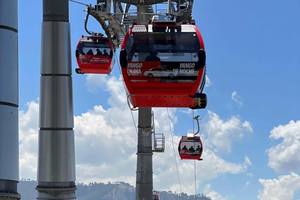
Also, while La Paz can feel chaotic, hopping on the Teleférico cable cars gives you stunning views over the city and a unique perspective on the landmarks below. It’s both a transport and a mini-tour in itself. Lastly, pack layers. Bolivia’s altitude makes mornings cold and afternoons surprisingly warm, so dress smart if you’re heading to places like Uyuni or the Andes ruins.
Frequently Asked Questions
Got questions about landmark tours in Bolivia? I’ve got you covered.
Totally doable in a day, but start early because the site deserves plenty of time. If you want a relaxed visit, consider staying overnight in the nearby village,less rush and better chance to chat with local guides.
Yes, but use authorized guides only. The mines are still active and can be dangerous if you wander without a professional. Plus, guides share incredible stories about the miners’ tough lives, which you won’t get from just a tourist brochure.
You can explore independently, especially in cities like Sucre or La Paz, but for spots like the salt flats or remote ruins, tours help with logistics and local context. Honestly, the stories guides tell make the landmarks come alive.
May to October is the dry season, which makes exploring landmarks much easier. Roads are less muddy, and skies are clear. Wet season can be intense, especially in the Amazon basin, making some landmarks tricky to reach.
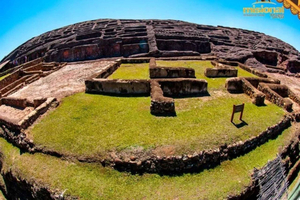
Absolutely! Places like the Jesuit Missions in Chiquitos or the pre-Inca ruins at Samaipata are incredible and not overrun. They’re worth the extra effort if you want to avoid the crowds and see something special.
Take it slow the first day. Drink plenty of water, avoid alcohol, and maybe chew coca leaves like locals do. If you feel dizzy or nauseous, don’t push through too hard; Bolivia’s landmarks won’t disappear overnight!