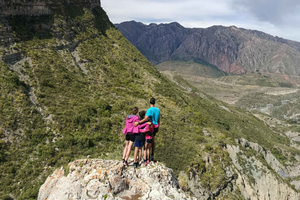
If you’ve been trekking Bolivia’s highlands or exploring its dusty streets, you’ll know that a bit of rest and warmth can go a long way. Spas and thermal baths here aren’t just about fancy massages,they tap into the country’s natural volcanic and mineral-rich waters that locals have used for centuries.
Places like the hot springs around the town of Mataral, near Cochabamba, are low-key but incredibly restorative. The water there has a slightly sulfuric smell that might surprise you, but stick with it and you’ll feel your muscles relax like nowhere else. Also, the eco-spa in Concepción, in the Chiquitania, offers a blend of herbal treatments alongside traditional steams that locals swear by during the dry winter months.
And if you’re near La Paz, check out the baths in Coroico, which is part of the Yungas region. The altitude drop alone makes soaking in warm water feel heavenly. Pro tip: Bring flip-flops and basic toiletries; some spots are rustic and don’t offer a ton of amenities. This isn’t luxury spa country but that’s what makes it special. You’ll leave refreshed and feeling like you leisurely slowed down Bolivia’s endless energy,for a while, at least.
🌍 Part of the My Guide Network180+ destinations worldwide
If you want a thermal bath that feels like a secret only insiders know, don’t miss the springs at Mataral. It’s about a 20-minute drive outside Cochabamba city and has a no-frills vibe locals appreciate. Bring snacks and water because there aren’t many vendors. Also, timing matters,arrive mid-morning on weekdays to avoid the weekend crowds.
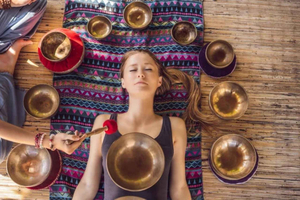
And if you’re curious about traditional Bolivian spa treatments, ask around for muña leaf infusions. Muña grows wild in the highlands and lends a fresh, minty aroma that’s used in teas and massages to boost circulation. Trust me, once you’ve had a soak and some muña bodywork, you’ll feel miles better, ready to hit the road again.
Frequently Asked Questions
Got questions about spas and thermal baths in Bolivia? Here’s what you should know.
Most are safe year-round but do check local conditions, especially during the rainy season (Nov-Mar). Some natural pools can get slippery or cooler if rain has cooled them down.
Just comfy swimwear and flip-flops will do. Some spots don’t rent towels or lockers, so it’s smart to bring your own towel and maybe a plastic bag for wet clothes.
Definitely try a massage using local herbs like muña or quinua oil if you find it. Some spas mix these traditional ingredients into scrubs and wraps that you won’t find anywhere else.
They can be. Some are simple natural pools without lifeguards, so keep an eye on kids. Others have gentler water temperatures and easy access for families.