If you’ve got even a little curiosity about Bolivia’s past, its historical landmarks will grip you. These places aren’t just old walls or statues,they’re stories carved in stone, embroidered in local life. Take La Paz’s Museo Tambo Quirquincho, for example. Most tourists breeze past, but if you hang around, you’ll catch a real sense of how the city’s colonial past shaped what you see today.
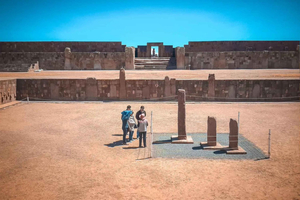
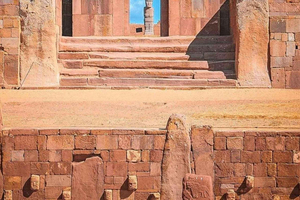
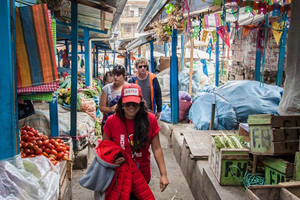
And just south, the ancient ruins of Tiwanaku beckon with their massive stone gateways and enigmatic carvings that predate the Incas. Visiting in the dry season from May to October makes the hike around more comfortable, and the light hitting the Akapana pyramid in late afternoon is honestly breathtaking. Don’t skip the nearby local markets afterward, where you can talk to vendors who trace their lineage back to that era.
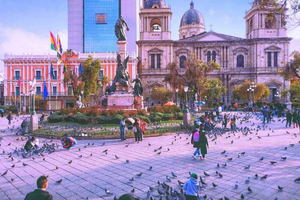
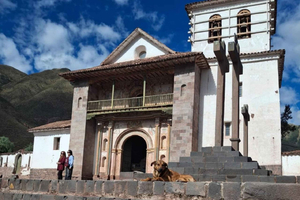
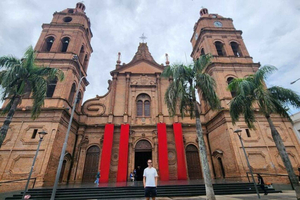
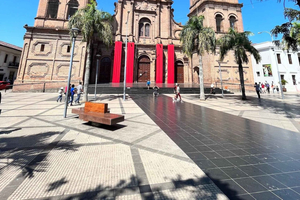
If you’re in Sucre, spend an afternoon wandering through its historic center. The old churches and plazas might seem polished now, but each holds layers of rebellion and freedom struggles that shaped Bolivia’s identity. Quick tip: Visit early in the morning to avoid crowds and catch golden hour light filtering through colonial arches. These landmarks don’t just show you history; they invite you to step into it.
🌍 Part of the My Guide Network180+ destinations worldwide
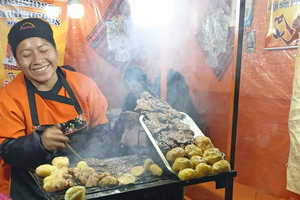
If you want a deep dive into Bolivia’s history, don’t rush through the sites. Spend time sitting on the plaza steps, watch locals going about their day, and observe how history isn’t just in the past,it’s all around you. I always recommend grabbing a mate de coca while wandering Tiwanaku ruins; locals swear it helps with the altitude and keeps you sharp. And if you’re up for it, take a communal lunch at a small street vendor near Sucre’s old town, where conversations often drift to regional history and folklore.
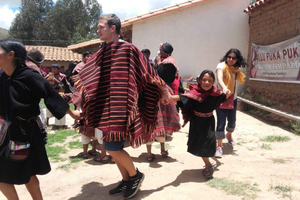
One practical tip: check for local festivals or holidays before you visit. They often bring out traditional ceremonies right at historical landmarks, adding a unique layer to your visit you won’t want to miss.
Frequently Asked Questions
Got questions on Bolivia’s historical sites? Here’s what locals usually get asked.
Absolutely. It’s about a 90-minute drive west of La Paz, and many locals take the public minibuses if you’re feeling adventurous. Just get there early to avoid crowds and harsh midday sun.
In Sucre, the guided tours around the Plaza 25 de Mayo are fantastic. The guides get really into the independence stories and local legends, making the history come alive without sounding like a textbook.
Definitely the dry season. Roads to places like Tiwanaku can get pretty rough in the rainy months, and you’ll have clearer views and more comfortable hiking weather between May and October.
You could go solo if you’re just here to snap photos, but a local guide really changes the game. They know the stories you won’t find in books and can point out hidden details, like inscriptions or symbolism.
Yes, especially Museo Nacional de Etnografía y Folklore. It has artifacts from indigenous cultures you don’t often see elsewhere. For me, it’s the place that connects Bolivia’s living traditions to its past.