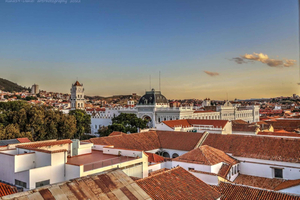
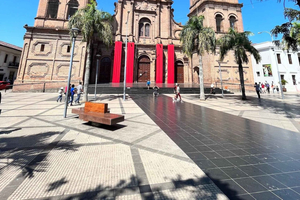
Bolivia is full of places where history isn’t just preserved, it lives and breathes. If you’re into heritage sites, you’re in for some real stories. Take Potosí’s Cerro Rico, for example. It’s more than just a mountain with mines; it’s a harsh reminder of colonial exploitation and a town that still has that old-world feel, complete with narrow cobbled streets and baroque churches. And don’t miss Sucre either , its quiet plazas and whitewashed buildings give you a peek into Bolivia’s colonial past that feels untouched by time.
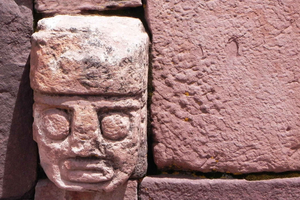
Then there’s Tiwanaku, outside La Paz. It’s not just ruins but a spiritual place that predates the Incas by centuries, with mysterious monoliths and stone carvings you won’t forget. If possible, visit in the morning before the crowds arrive, and take your time , the energy there is something you have to feel for yourself. One tip: local guides can point out details you’d never catch on your own, especially around the Sun Gate.
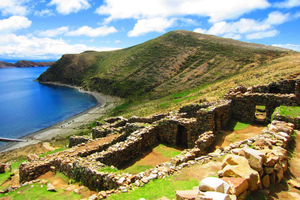
These heritage sites aren’t just about seeing old stones or buildings. They’re about understanding Bolivia’s complicated past , indigenous cultures, colonial struggles, and revolutionary dreams , all in one place. It’s worth planning a slow visit, maybe spending nights nearby so you can soak it all in without rushing.
🌍 Part of the My Guide Network180+ destinations worldwide
If you’re hitting Tiwanaku, don’t just rush through it,take your time. The Sun Gate gets all the attention, but wander a bit around the complex. The pyramids and lesser-known monoliths are worth a slow look. Also, mornings can get chilly, so bring a jacket. Oh, and if you’re visiting Potosí, try to get a guided mine tour. It’s intense, but that’s where you really feel the weight of history. Just be sure to wear sturdy shoes and listen carefully to your guide’s safety tips.
Also, tackling heritage sites slowly means you can sneak into local cafés or markets nearby. Some of my favorite moments came from chatting with locals about the history specific to the neighborhoods around these sites. It really brings the place to life in a way photos just can’t.
Frequently Asked Questions
Here are some quick answers to common questions about heritage sites in Bolivia.
Most of the main heritage sites are a hop away from cities like La Paz, Sucre, or Potosí. Tiwanaku is just about an hour from La Paz, while Cerro Rico is right in Potosí. You can get there by public bus or taxi without much fuss.
Honestly, a local guide adds a lot to the experience. They share little stories and facts you won’t find in guidebooks. For Tiwanaku especially, I recommend hiring a guide , the symbolism in the ruins can be pretty complex.
Dry season, from May to October, is best if you want comfortable weather and fewer rains messing up your plans. Though some sites are fine in the wet season, the roads and conditions get trickier.
Sucre’s old town is great for families, with wide plazas to explore and calm streets. Cerro Rico can be a bit intense because of the mines, so probably better for older kids or teens.
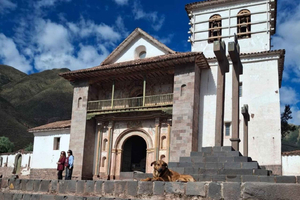
Yes! Many churches in Sucre and Potosí open their doors for visitors. The Cathedral of Sucre and the Church of San Lorenzo in Potosí are beautiful inside with intricate artwork and interesting history.