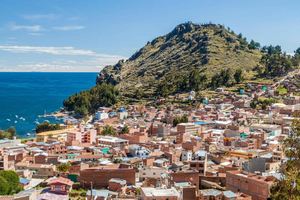
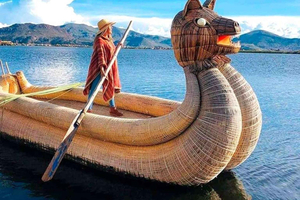
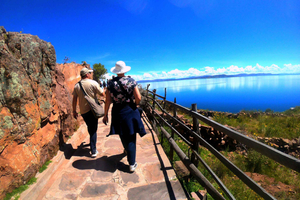
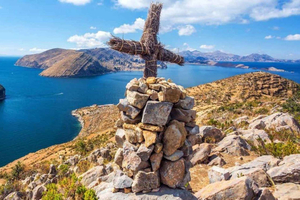
Bolivia might not have a coastline, but don’t let that fool you,its lakes and rivers offer some seriously rewarding fishing and sailing opportunities. Lake Titicaca is the crown jewel here, sprawling high in the Andes, where you can sail traditional reed boats or snag trout and pejerrey if you’re patient. The waters can be chilly, so pack layers.
If you want to escape the usual tourist paths, head toward the Rio Desaguadero or the Beni River in the lowlands, where the current carries you past wildlife and fishing spots thick with piranha and catfish. Local fishermen are usually happy to share their secret spots,you’ll learn a lot just chatting with them. Oh, and mornings are best. Evening light on the water? Out of this world.
One tip: If you’re bringing gear, keep it simple. Heavy-duty tackle isn’t needed here; smaller hooks and bait like worms or freshwater shrimp work wonders. Also, check local regs because some areas have seasonal restrictions , the fish are sensitive, and locals take that seriously. Sailing, fishing, or just drifting, these moments in Bolivia’s watery corners have a slow, relaxed vibe that’s hard to beat.
🌍 Part of the My Guide Network180+ destinations worldwide
If you’re heading to Lake Titicaca for fishing or sailing, get up early,you’ll catch calmer waters and better fish action before winds pick up in the afternoon. Also, don’t underestimate the sun at altitude; sunscreen and a hat are must-haves. When you’re done, try a warm cup of api, a traditional spiced corn drink sold right near the docks,it’s the perfect way to warm up after a chilly morning on the water.
For something different, check out the small village of San Pedro de Tiquina. It’s known for reed boats and fewer tourists, so you get a more laid-back vibe. Chat with the locals there; they’re usually happy to show their boats or share fishing advice. Totally worth the detour.
Frequently Asked Questions
Got questions about fishing and sailing around Bolivia? Here’s what you want to know.
You can, but hiring a local guide makes a huge difference. They’ll know where the trout are biting and how to handle the altitude. Plus, they often provide boats and gear, making it way easier and safer.
The dry season, from May to October, is usually best. Water levels are lower, so it’s easier to spot fish. The rainy season makes some areas tricky to reach and can change fish behavior quite a bit.
Yes, anywhere fishing is regulated, especially in protected areas like Lake Titicaca. You’ll want to check with local authorities or your guide to get the right permits,usually easy to get and affordable.
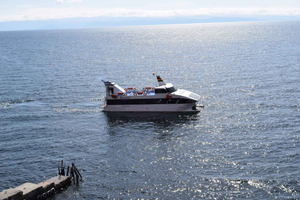
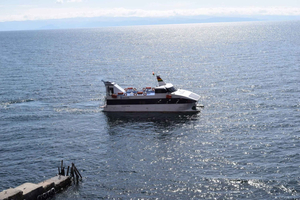
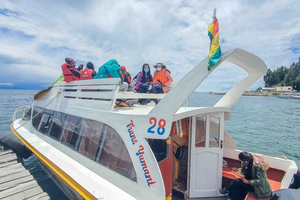
Sailing’s not super widespread like in coastal countries, but on Lake Titicaca, you’ll find totora reed boats that locals have used for centuries. Small sailboats and catamarans are also available from some outfits around Copacabana.
Trout and pejerrey are the stars in highland lakes. In the Amazon basin and lowland rivers, you’ll find piranha, catfish, and different types of pacu. Each fish has its own quirks, so ask locals what bait works best.