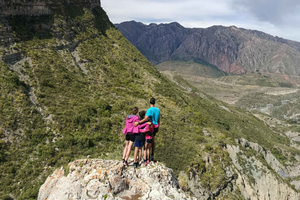
Bolivia is one of those places where the things you do shape your trip more than the usual sightseeing checklist. You can hike in the dramatic Andes, cruise on Lake Titicaca where you might catch local fishermen singing in Aymara, or wander markets like La Paz’s Witches’ Market to find cured llama fetuses and other curious charms they actually believe bring luck. And don’t sleep on the nighttime vibes in Santa Cruz or Potosí, where the streets suddenly pulse after dark.
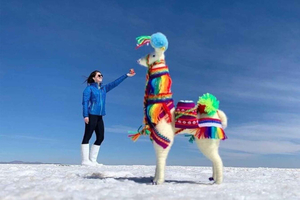
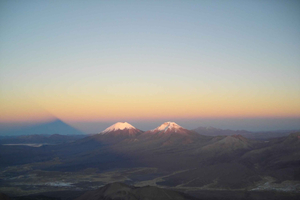
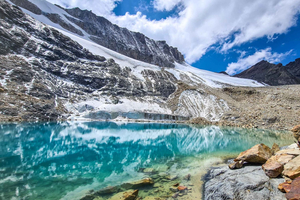
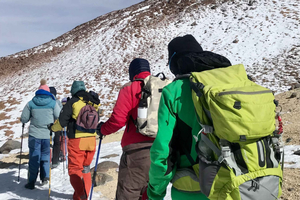
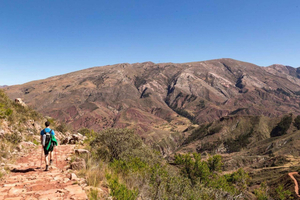
If you want nature, try hiking up Huayna Potosí near La Paz for some truly jaw-dropping views, or head to Madidi National Park if you love jungle wildlife. Unlike other places, Bolivia’s geography lets you pack a perfectly varied day trip: start early in the salt flats at sunrise and finish with a hot spring soak near Sajama. Just remember, altitude hits hard here, so don’t rush hikes or overdo it on the first day.
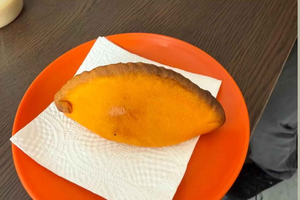
One local tip? Take time for a street food stop in Cochabamba. Salteñas (Bolivian meat-filled pastries) are a must-have, best enjoyed with fresh local orange juice. It’s those small moments that really fix Bolivia in your memory.
🌍 Part of the My Guide Network180+ destinations worldwide
If you’re planning on exploring Bolivia’s high-altitude spots like La Paz or the salt flats, take altitude seriously. I once saw a friend push too hard on the first day and end up stuck in bed for two days because of the altitude sickness. Drink plenty of coca tea,it’s a traditional remedy locals swear by,and move slow. Also, don’t ignore small towns along the way. Try booking a night or two in pueblos like Uyuni town or Copacabana. These places have their own rhythm and charm, and often you’ll get a more authentic experience than in the big cities.
For something a bit off the beaten path, check out Torotoro National Park. It’s a bit harder to reach but walking among dinosaur footprints and exploring caves felt like time traveling for me. Just make sure you have good hiking boots and a local guide,cell service is patchy!
Frequently Asked Questions
Got questions about what to do? Here are some answers from someone who’s been there.
I’d say it depends on where. Popular routes like Huayna Potosí or the Cordillera Real have guides and some trekking groups, which I’d recommend. Solo hikes can be risky because of high altitude and sudden weather changes. Always tell someone your plans and consider hiring a local guide, it really makes a difference.
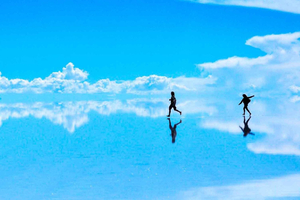
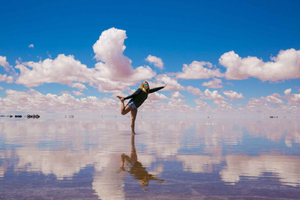
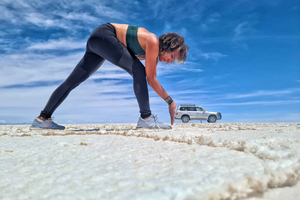
Dry season, from May to October, is the classic time when the flats reflect the sky like a giant mirror, but wet season (January to March) offers lush, other-worldly landscapes with water pools everywhere. I love going in June or July, cooler but less crowded and great for photography.
Yes, but be prepared for a bit of adventure. Public buses and minibuses (minibuses called 'micros') go everywhere but can be crowded and chaotic. For remote places, like Apolo or the Amazon basin, transport can be irregular. Sometimes renting a car or booking a local tour saves time and stress.
Absolutely, if you want more than just photos. Guided visits to places like Tiwanaku or indigenous communities around Lake Titicaca bring history and traditions alive. I once joined a local family making chicha (corn beer) and it changed how I see Bolivian culture forever.
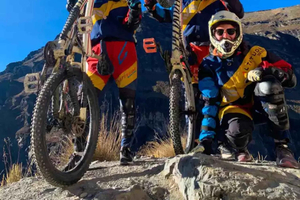
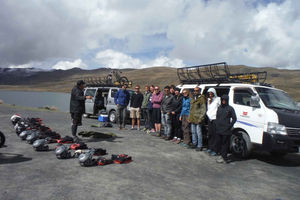
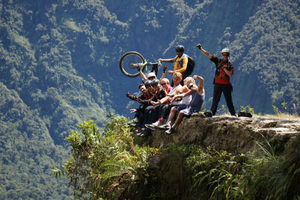
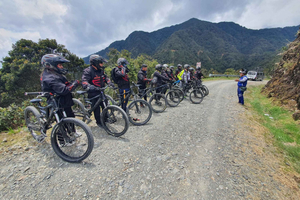
There’s mountain biking on the Death Road near La Paz (not for faint-hearted), white-water rafting on the Apolo River, and even sandboarding near the salt flats. If you’re into wildlife, a jungle trek in Madidi is unbeatable,you might spot jaguars, macaws, or capybaras.
Plant-based meals are possible but not always obvious, especially outside main cities. Cochabamba has the best options and some hidden vegetarian menus in La Paz. Markets often have fresh veggies and fruits, so self-catering is another great option if you have dietary restrictions.