Colca Canyon: 2-Day Tour from Arequipa to Puno
Bolivia
Admire Peru’s amazing scenery and fascinating wildlife during this 2-day trip from Arequipa to Puno via the Colca Canyon.
Highlights
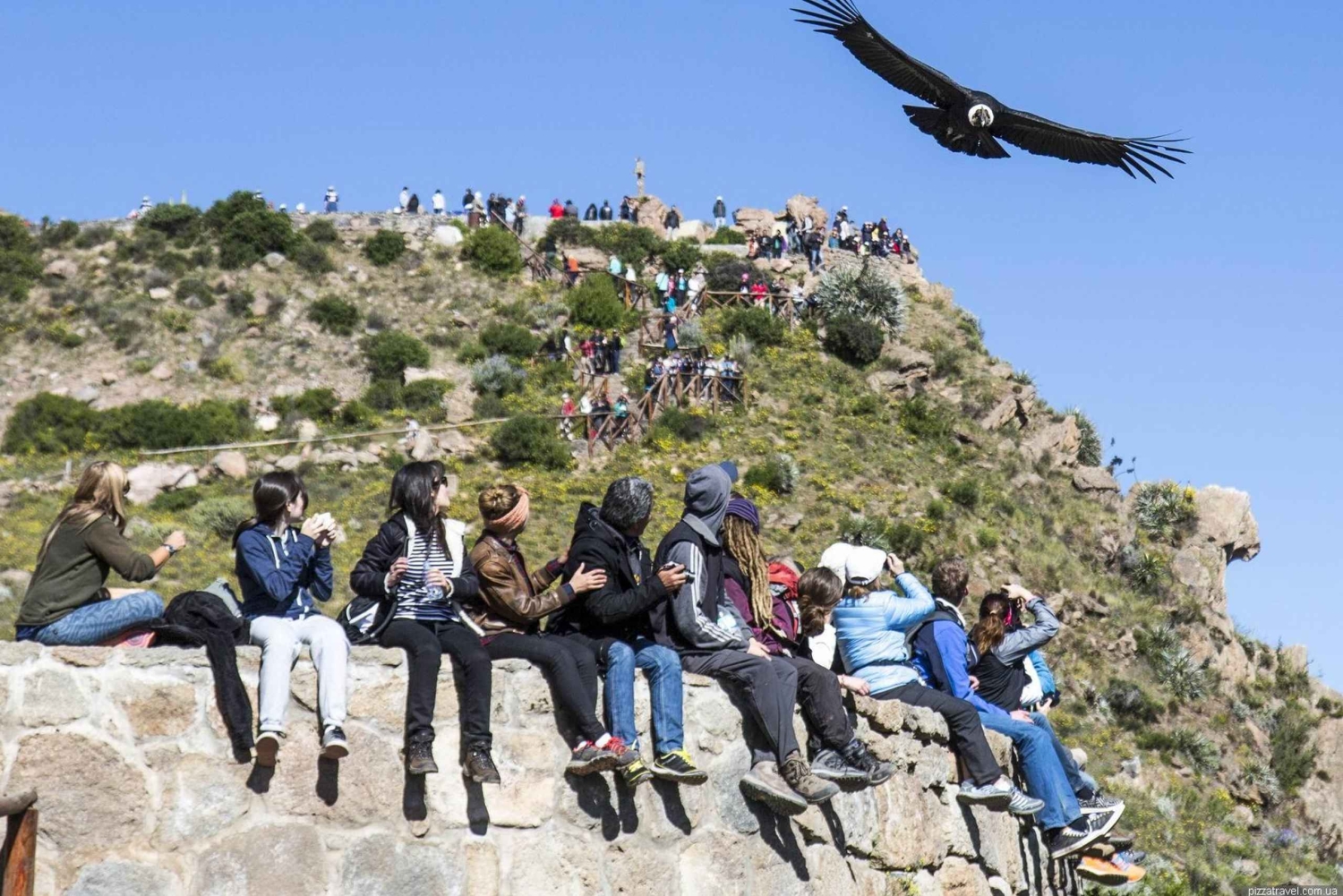
- Spot giant Andean Condors at Mirador Cruz del Condor in Colca Canyon
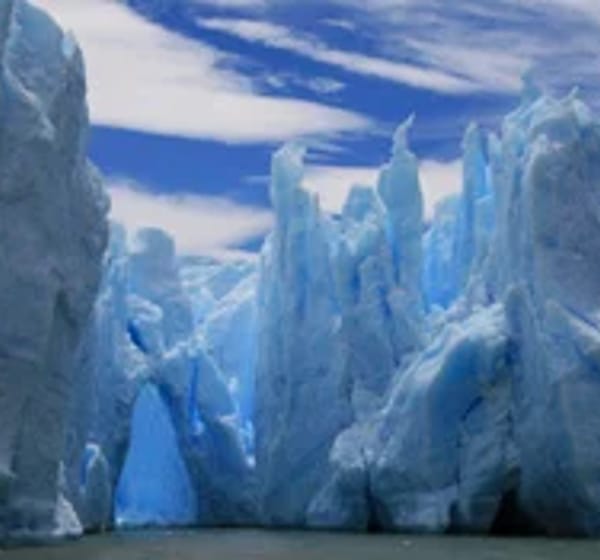
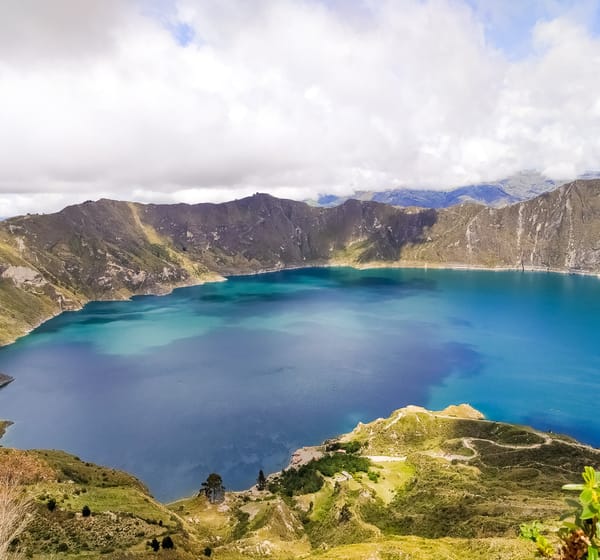
- Travel through landscapes with volcanoes, alpine lakes, and glaciers
- Visit Lake Titicaca, considered the birthplace of the Incas
Description
This two-day tour from Arequipa to Puno offers wildlife viewing and visits to natural landmarks in southern Peru.
Day 1: Arequipa to Chivay (Colca Canyon)
Start with a four-hour drive from Arequipa to Chivay, passing scenic viewpoints including Pampa Cañahuas Reserve. The reserve is home to vicuñas, alpacas, llamas, flamingos, ibis, and Andean eagles. The route features lakes, glaciers, and volcanoes such as Ampato, Sabancaya, Huallca, and Misti, reaching an altitude of 4,800 meters (15,000 feet). Afternoon time is available for leisure. Overnight stay in Chivay.
Day 2: Colca Canyon Tour and Travel to Puno
Depart early to explore Colca Canyon’s top viewpoints, including Mirador Cruz del Condor, where the canyon reaches 1,200 meters deep and condors can be observed. Afterward, continue by tourist coach toward Puno, passing Andean lakes, lagoons, trout farms, and flamingos. The journey reaches 4,850 meters (12,000 feet) altitude with expansive views of the highlands before arriving in Puno.
Includes
- Professional English-speaking tour guide
- Professional driver
- All excursions and tours
- All transfers and transportation (additional charges apply outside Chivay town and Puno city)
Excludes
- Entrance tickets and fees
- Food and drinks
- Gratuities
- Overnight accommodation
Important Information
- Accommodation should be booked in Arequipa, Chivay, or Puno to avoid extra pickup and drop-off fees
- The tour does not return to Arequipa; bring luggage with you or arrange separate transport
Cancellation Policy
Cancel up to 24 hours in advance for a full refund.
For best experience, bring warm clothing for high-altitude conditions and a camera for wildlife and landscape photography. The dry season (May to October) is recommended for clearer skies and better visibility.